
Anxiety Therapy in Maryland: A Complete Guide to Finding Relief and Feeling Like Yourself Again
When most people think about anxiety, they picture someone having a panic attack or feeling nervous before a big presentation.
After nearly 30 years as a therapist, I've found that's rarely the reason people reach out for support. Many of the people I work with are successful in their careers, dependable at home, and capable of handling a great deal of responsibility. They aren't falling apart. They're exhausted from overthinking every decision, replaying conversations in their minds, lying awake at night, or feeling like they always have to stay one step ahead of the next problem. They've become so accustomed to living this way that they assume it's normal.
When the Life You Worked For Stops Feeling Fulfilling
Most of the clients I work with don’t come into my office believing that they’re having a quarterlife or midlife crisis. They come in with feelings of confusion, nervousness, and frustration because they’ve achieved milestones in their lives, such as career and family goals, yet one day they wake up realizing that they aren’t fulfilled.
They spend their lives slowly building their career, rising into new levels of leadership and accomplishment, or having a family and raising children, believing that accomplishing these goals will bring them happiness, but most people find that they don’t.
Burnout or Anxiety? How to Tell the Difference (and Why It Matters)
"I feel so overwhelmed. I can’t tell if I'm burned out, anxious or both."
I hear some version of this often when working with my clients.
Usually, it's from someone who has spent years navigating through everyday challenges with relative ease. They're successful at work, responsible at home, and used to handling whatever life throws their way.
Lately, though, they feel less like themselves. They're exhausted all the time and can't concentrate the way they used to. They talk to me about lying awake thinking about work, and they're starting to wonder if they’ll ever have a peaceful night’s sleep again.
Why Uncertainty Feels So Uncomfortable for High-Functioning Professionals
If I had a dime for every time a client has asked me, "How do I know if I'm making the right decision?" I’d be rich. This question usually comes up when they’re facing a crossroads in their life, and they're contemplating a major decision.
They may be thinking about accepting a new job or wondering whether to retire. The same uncertainty shows up when they’re trying to decide whether it's time to end a relationship, move closer to family, or start a business they've dreamed about for years.
Initially, it sounds like they're asking me to support them in making a decision, but when it boils down to the real issue, they want to know how to be certain they're making the right decision.
In reality, life seldom gives us a sense of certainty, especially during major life transitions.

Empty Nest Anxiety for High-Functioning Parents
For years, your life revolved around your children. Between school schedules, sporting events, family dinners, and helping them become independent adults, there wasn't much extra time to think about what life would look like after they left home.
I've noticed something interesting after more than 25 years of working with high-functioning professionals. Many parents prepare emotionally for their children to leave home far less than they prepare their children to leave.
Anxiety During a Job Change Isn't a Sign You're Making the Wrong Decision
When clients come to see me during a career transition, they often assume their anxiety means something is wrong.
They often question the new position they just accepted, the promotion they worked years to earn, or whether leaving a stable job was a terrible mistake.
Many high-achieving professionals interpret anxiety as a warning sign. They assume that if a decision were truly right, they would feel confident, excited, and certain.
Unfortunately, that's not how anxiety works.

Life Transitions and Anxiety: A Guide for High-Achieving Professionals in Maryland
When most people think about anxiety, they imagine a stressful job, financial challenges, or a major crisis. What surprises many of my clients is that anxiety often shows up during positive life changes, too.
I've worked with high-functioning professionals for more than 25 years, and one pattern shows up again and again. Someone reaches a milestone they have worked hard to achieve. They get the promotion, their children leave for college, they start a new relationship, or maybe they finally have the financial security they wanted.

How Anxiety Therapy Supports You in Setting Boundaries Without Guilt
Most high-functioning professionals know what boundaries they need to set.
They know they need to stop checking email at night. They know they need to stop saying yes to every request that comes their way. They also know they need more downtime and less responsibility.
The problem usually isn't knowing what to do. The real issue starts to surface when they do it.
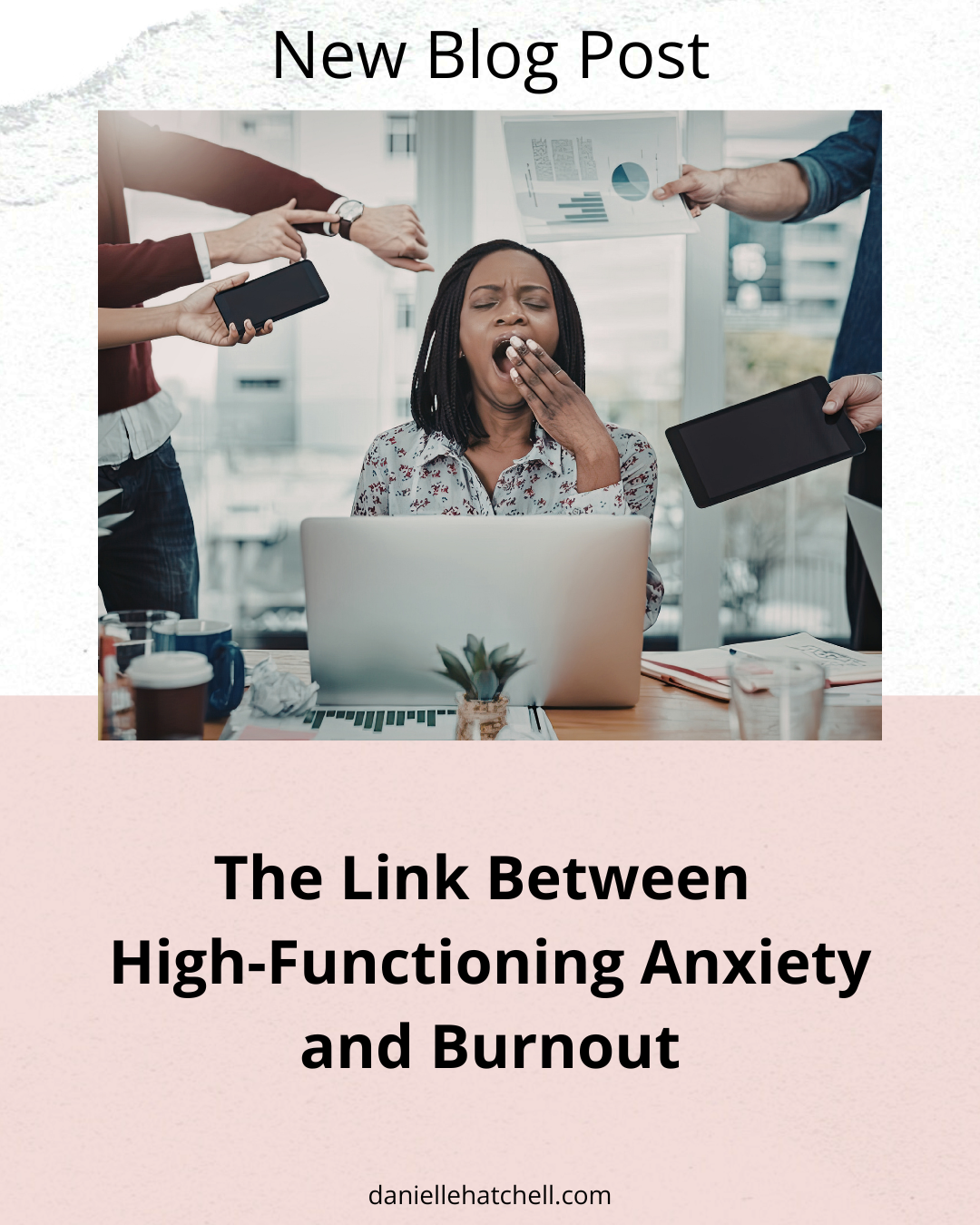
The Link Between High-Functioning Anxiety and Burnout
If you are a high-achieving professional, there’s a good chance you’ve become skilled at functioning while stressed.
You know how to push through exhaustion. You know how to meet deadlines, show up for others, and continue producing even when your internal world feels strained.

What to Expect in Anxiety Therapy (Especially If You’re Used to Being in Control)
You’re probably someone who is used to handling challenges. Most high-functioning professionals are goal-chasers, problem-solvers, and capable of working through average day-to-day challenges.
And most of the time, this works. But every now and then, even highly capable people run up against challenges that are more than what you bargained for.

Why High-Achieving Professionals Struggle to Slow Down
Maybe you’ve noticed that it is challenging for you to slow down and unwind.
You may secretly envy people who are able to fully relax and be at peace. This feeling of ease may be something that you want for yourself, but it feels foreign and out of reach.
When you try to slow down, you may notice that your brain is constantly going. You’re thinking about tasks that need to be done, or you’re filled with dread about something you might forget, or what the next week will bring and whether you’ll have what it takes to deliver.
How to Tell If You Have High-Functioning Anxiety (Even If You’re Successful at Work)
If you’re used to being the one people rely on, you may not think of yourself as someone who struggles with anxiety.
You get things done, follow through, and you handle responsibility without much hesitation.
From the outside, it looks like you’re managing your life well.
But internally, you constantly feel on edge and unsure of yourself and your choices.
Your mind stays active, even when you want to rest. You think ahead, anticipate problems, and often feel a persistent pressure to stay on top of everything. Even during downtime, it can be hard to fully relax.

Anxiety Therapy in Maryland for High-Functioning Professionals: Why You’re Still Struggling and How Therapy Can Support You
If you’re here, there’s a good chance you’re someone others rely on.
You’re responsible, capable, and you know how to get things done.
From the outside, your life may look stable, even successful. But internally, you feel disconnected and unsure.
Your mind doesn’t slow down as easily as you’d like. You’re often thinking ahead, planning, anticipating. Even when you sit down to relax, a part of you stays alert and slightly tense, as your mind continues to track what needs to be done next.
You may not immediately think of this as anxiety.

Anxiety and Boundaries: Why Saying No at Work Feels So Challenging
In my anxiety therapy work here in Maryland, many high-achieving professionals don’t initially think of themselves as anxious about setting boundaries.
They describe themselves as the responsible and reliable one that people can count on. They are the ones who know how to get the job done.
They find themselves thinking:
“I want to make sure the job is done right!”
“It’s easier if I handle it.”
“It’s not that big of a deal. I can manage.”
They are so efficient at what they do that they often ignore the telltale signs of stress, such as restless sleep, tight shoulders, and being less patient at home than they’d like to be.

When Your Work Values Don’t Match Your Workplace: Navigating Moral Injury and Anxiety
Right now, many of my clients are experiencing a particular kind of work anxiety that doesn’t come from being too busy but from feeling misaligned.
This type of anxiety shows up when your values and sense of right and wrong no longer align with the work you’re being asked to do.

Feeling Stuck at Work? The Anxiety of Staying Somewhere You’ve Outgrown
In this blog, we’re talking about the kind of anxiety that doesn’t show up as panic attacks or racing thoughts at first. It lives in the not-so-obvious moments.
You might notice it on Sunday evenings, when your chest feels tight as you think about the week ahead. Or in the mornings, when getting ready for work takes more effort than it used to. Let’s chat about how to recognize and move past these subtle moments of anxiety.
Why High-Performing Professionals Often Miss the Signs of Anxiety
When you’re used to functioning at a high level, meeting deadlines, managing responsibilities, and showing up for others, it’s easy to overlook the distant yet constant hum of anxiety beneath the constant goal-striving and productivity. Especially when it doesn’t stop you from “getting things done.”

Anxiety Therapy in Maryland: A Compassionate Guide to Feeling Like Yourself Again
Anxiety doesn’t always look the way we expect it to.
For many high-functioning professionals, it doesn’t show up as panic attacks or an inability to get out of bed. Instead, it can look like staying late at work even when you’re exhausted. Saying yes when you want to say no. Lying awake at night replaying conversations, decisions, and “what ifs.”